Monday, 25 March 2019

18.03.19 - Leicester Botanic Garden

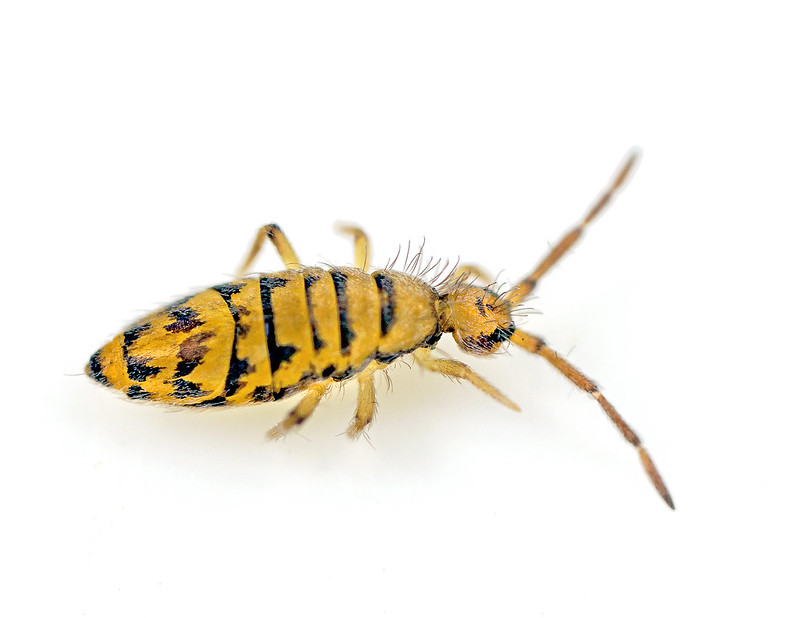
A quick trip to the Botanic Garden turned into a Collembola version of Goldilocks and the three bears. The first place I sampled was full of Entomobrya multifasciata.

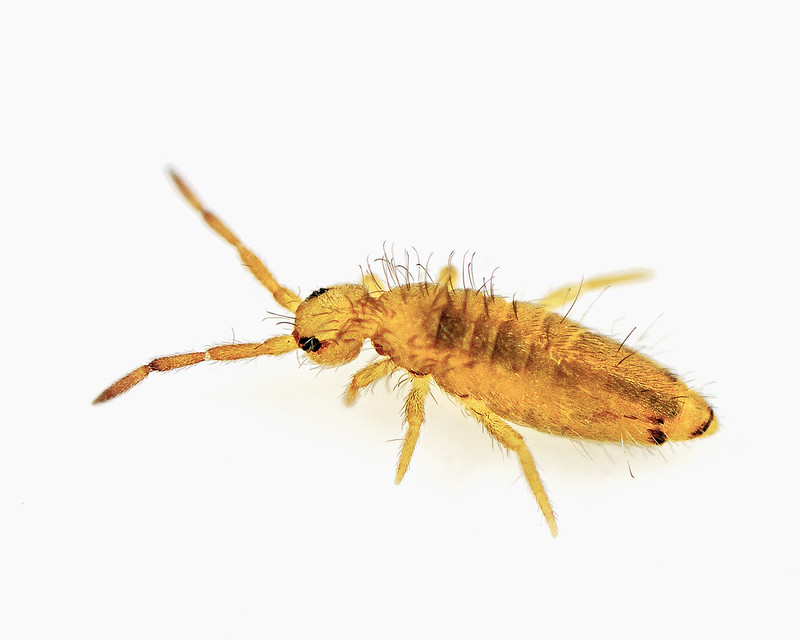
The second place was full of Entomobrya intermedia.

The third place was full of Entomobrya nivalis.

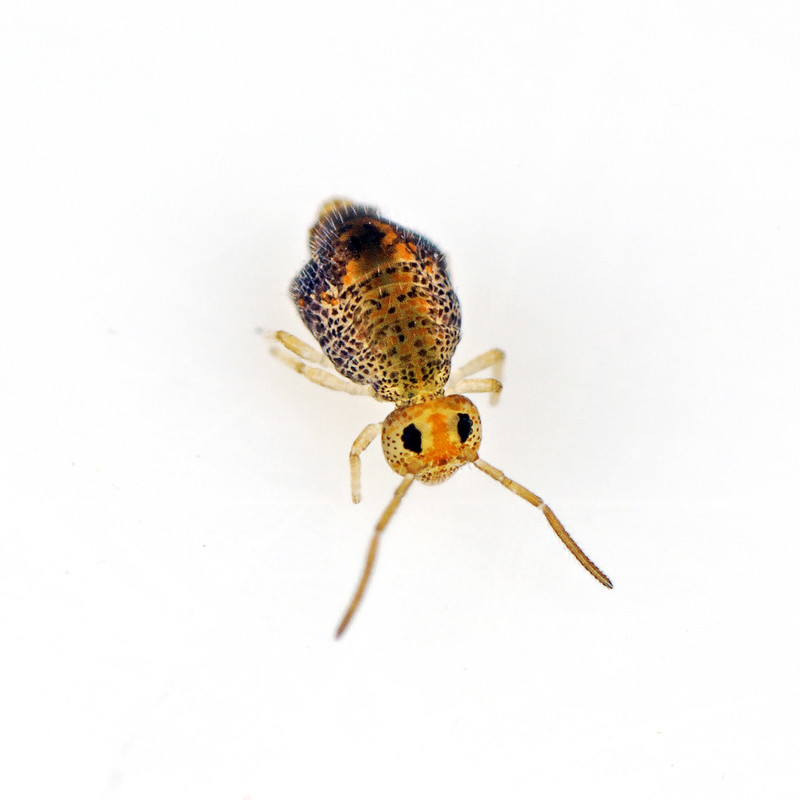
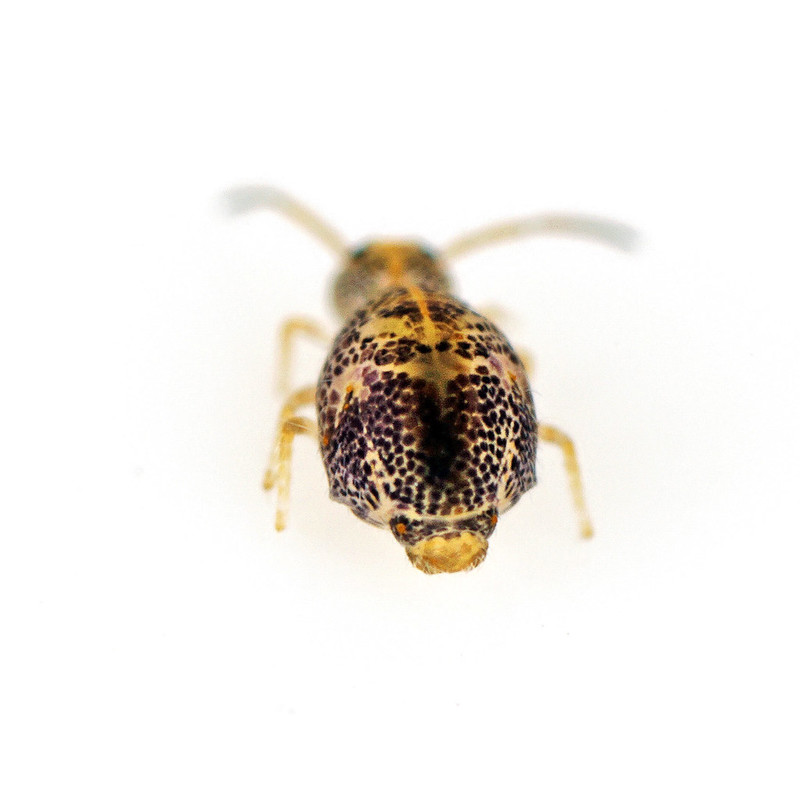
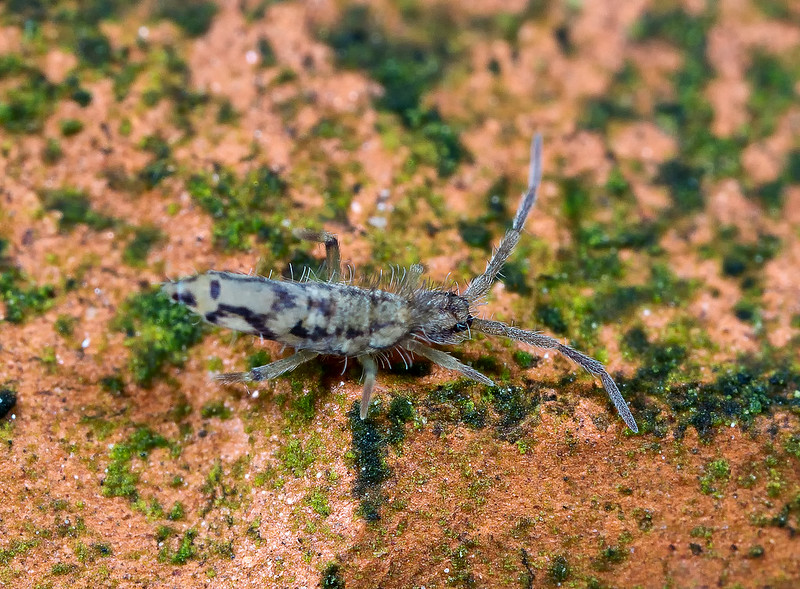
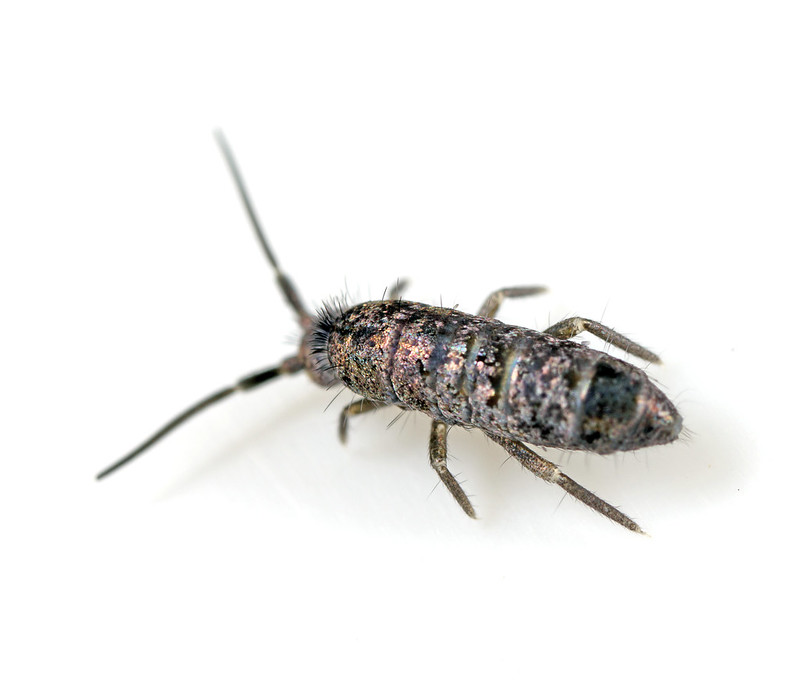
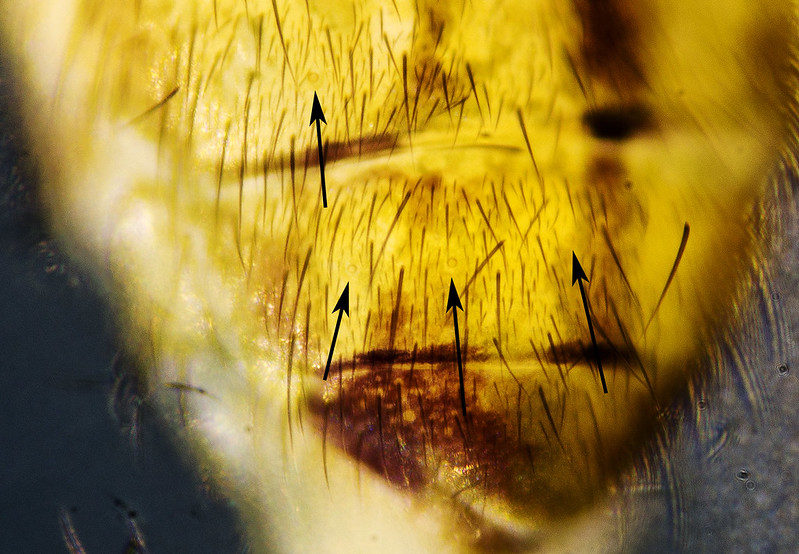
But scattered throughout all three were Katiannidae genus nov.1 sp. nov, which I finally managed to get some decent photos of:

Katiannidae genus nov.1 sp. nov

Katiannidae genus nov.1 sp. nov

Tuesday, 19 March 2019

09.03.19 - Knighton Park

The combination of gale force winds, horizontal rain and sleet meant that we didn't venture far, but a brief sunny interval allowed us to nip out to the local park. The leaf litter is over for the season now so this was my first beating collection for the season. This yielded lots of Entomobrya multifasciata:

Entomobrya multifasciata

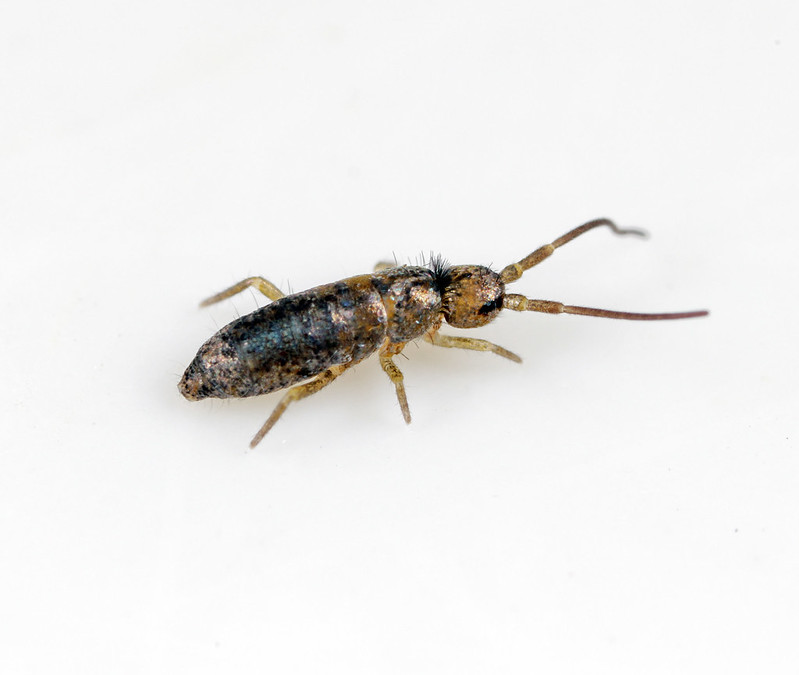
and a few Entomobrya nicoleti:

Entomobrya nicoleti

Springtail-wise nothing surprising, but some nice spiders (which I write about in the other place), and an opportunity to practice a few new photographic approaches, in the warm and out of the wind.

Sunday, 17 March 2019

Entomobrya intermedia

Entomobrya intermedia


I thought it would be nice to get some habitat shots, although being honest, this one jumped out of a recipe book in the kitchen when it was opened this morning! Uncooperative springtail but the bits in focus look very sharp indeed.

Saturday, 9 March 2019

02.03.19 - Ingarsby

I visited a small area of woodland beside the road at Ingarsby. Conditions were very dry so I started by sampling as close to the stream as I could. This yielded two Dicyrtomina saundersi, plus numerous Orchesella cincta, Tomocerus vulgaris and lots of Lepidocyrtus lignorum (predominantly pale with faint traces of blue pigment on the head, thorax and legs; scales present on the legs and ant1+ant2, no scales on ant3+ant4 (c.f. L. curvicollis); eyepatch roundish (less elongate than other species); no interocular macrosetae):

Lepidocyrtus lignorum


I also sampled the trunks of several Ash trees and the moss on them. Here Orchesella cincta was very abundant but there were also quite a few Tomocerus vulgaris. Although it is regarded as a common species, I don't record T. vulgaris as often as I see Tomocerus minor:

Tomocerus vulgaris

However, the scales are easily lost, these specimens were confirmed by the presence of simple (rather than three-pointed) spines on the dens:

Tomocerus vulgaris

Saturday, 2 March 2019

16.02.19 - Stoughton

Springtails


A quick trip to a local empty tetrad. The only access was roadside verges, and I learned that sampling from roadside verges is not fun. The hedges have all been flailed to death and the verges are full of sharp bits of wood and thorns. After a few warm days I was in spring mode, so I took kit with me thinking of doing some beating, but on site the battered hedges were completely bare, so that was abandoned quickly. The previous week was also completely dry, which was reflected in the species recorded - although there were good numbers of springtails, there were no globbies at all.

Competition time!

Competition time


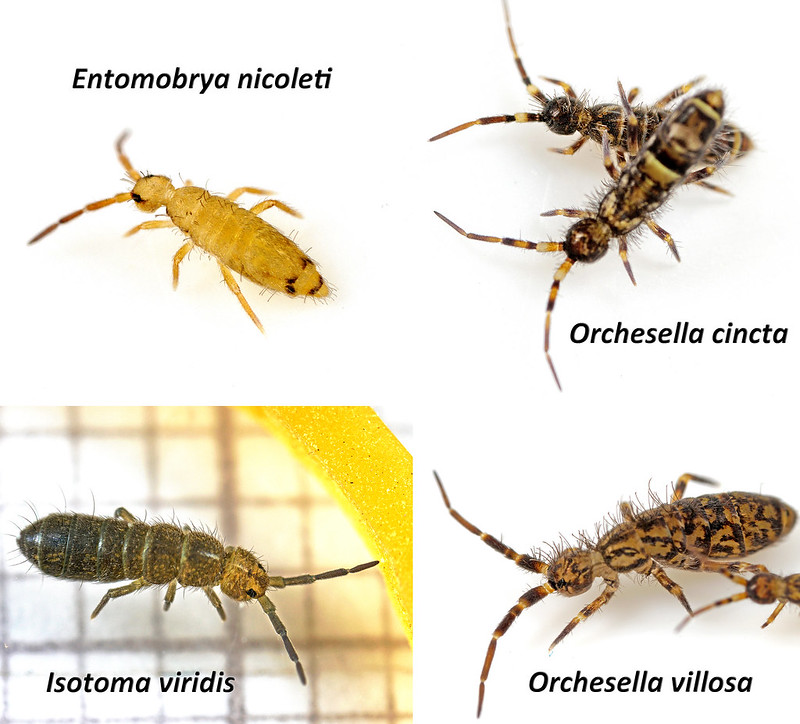
I find Orchesella can be quite difficult to identify in preserved specimens - much harder than live specimens. So two questions:

  1. Spot the odd one out!
  2. What features allow you to identify the two species in this picture?
 

Tuesday, 26 February 2019

09.02.19 - Sheepy Magna

As we set out into the teeth of Storm Erik I had my doubts about the wisdom of this trip, especially as I watched the lampposts at the junction rocking to and fro, but those neglected tetrads in the far west won't record themselves, so we headed for Sheepy Magna. We started with collecting in the village then headed a mile or so north to tick off another empty tetrad. Species present were: Dicyrtomina minuta, Dicyrtomina saundersi, Orchesella cincta, Pogonognathellus longicornis.

I spent some time sorting out the Isotomids. The first sample contained a number of Isotoma viridis. This specimen is a good example of why you can't identify Isotoma spp. by eye alone. The mottled appearance might suggest I. anglicana, but with only one manubrial tooth, it is clearly I. viridis:

Isotoma viridis


The second sample contained a number of specimens without macrosetate but with a median dorsal stripe. After some puzzling these turned out to be Isotomurus spp. (based on the mucro):

Desoria tigrina

Tuesday, 19 February 2019

Setae

Trichobothria

Setae are commonly classified in 3 classes: microsetae, mesosetae and macrosetae. This is a relative concept, mesosetae of one species may be as large as macrosetae of another species and vice versa. With a bit of imagination you can see that the base of the setal shaft has the shape of the 'head' of a bone. The setal shaft can only move forward or backward in the socket not sideways, so setae can only sense movement in one plane (backward-forward plane, "mechanoreceptive sensilla"). In contrast, bothriotricha/Trichobothria can move in all directions (like a joystick of a game controller) and thus can sense the movement in all directions. Unfortunately these hairs are easily lost, but the sockets in which they are set remain and thus can be determined even in the baldest of springtails:

Trichobothria sockets


Saturday, 16 February 2019

All About Orca

Processing and storage of biological records can be haphazard, there is no one agreed standard used by all. Watsonian Vice Country Recorders use an array of different solutions to keep their records, although these ultimately (should) feed though to the network of Local Environmental Records Centres. At least some of this data may (eventually) feed through to the National Biodiversity Network (NBN) and the Global Biodiversity Information Facility (GBIF). There is no overarching, agreed software solution and no data pipeline connecting them all. There are many reasons for this, lack of funding, historical inertia, issues around data quality, ownership and reuse, etc. In the 21st Century, this is frustrating. In VC55 (Leicestershire and Rutland) we are very lucky in having two dedicated and hardworking teams involved in biological recording, NatureSpot and the Leicestershire and Rutland Environmental Records Centre (LRERC). And it feels like we’re making progress. LRERC has moved to using the ORCA (On-line Record Centre Administration) software created by Tim May of Cofnod (North Wales Environmental Information Service). Verified records from individual recorders and from NatureSpot is stored and processed using this system. Since becoming VC55 County Co-ordinator for Collembola, I have been working with the LRERC staff to investigate how I can make best use of Orca. Very generously, they have allowed the use of the VC55 Collembola data as a test case to work out a few issues around Orca, and I have just had my first experience as an Orca user. Because of resource limitation (and data issues), LRERC Orca is not publically available and access is limited to County Recorders.

As I understand it, Orca is a front end to an SQL database written in Microsoft Visual Studio by Adtec Software Ltd. LRERC Orca now has a total of 560 verified Collembola records in the system, dating from 2010-2018. Unfortunately there is no automatic pipeline from verified NatureSpot records to Orca – the transfer currently involves a manual update process. Because of the pressure the LRERC staff are under, this can only be done periodically at present. Apart from wasting resources, this is rather frustrating for me – I've already added another 50 records in 2019 - a 9% increase in the database size with 7 new tetrads covered and two new species.

Before I had access to Orca, I had no record mapping tool available other than the NatureSpot Explore All Records interface (which does not cover all the records in Orca). Given the development of Orca I was unwilling to invest time and money in a standalone system such as MapMate as this feels like a backwards step (and too scared to plunge into QGIS), and so it was the Orca mapping tools I was most eager to investigate.

Current Orca VC55 Collembola map (map and data copyright of Leicestershire and Rutland Environmental Records Centre):


It is easy to generate maps like the one above in Orca simply by using the GUI tools in the Orca front end to filter to taxon or species level and then clicking “Map filtered records”. The good things from my perspective is that it is possible to overlay the VC55 boundary onto the interactive map, which is zoomable and can be interrogated by clicking on the dots. However, one thing the basic map display does not do is classic monad/tetrad/hectad mapping. Fortunately there is a solution to this in the form of an additional Orca module called eMapper.

Orca eMapper Collembola map (map and data copyright of Leicestershire and Rutland Environmental Records Centre):


The eMapper interface is a little more complicated than the basic map display, but it’s not hard to figure out using the graphical interface tools and a bit of experimentation. The maps produced are highly configurable and fully interactive.

eMapper zoomed in (map and data copyright of Leicestershire and Rutland Environmental Records Centre):


LRERC Collembola eMapper is set up as a static page which needs to be manually updated and does not reflect changes in the live database. This isn’t too much of an issue for me as at present we are only updating records annually. However, this isn’t so great when I’m planning my field work and square bashing trips, so I feel I need a separate system to help with my personal logistics. In addition, the eMapper display is very data rich, and for some purposes it’s easier to have a much simpler dataset, so what I’ve done at present is simply to take the Orca data and add it manually to a blank VC55 tetrad map by going into “classic MapMate emulation mode”. How easy it is to keep this up to date time will tell.

VC55 Collembola tetrad map:


Overall I’m delighted with Orca and very grateful to have access to it. It is a big advance for me in terms of the tools I have available for data management. My hopes for future developments include live dynamic data updates in both the database and eMapper, although this is some way off and not on the immediate horizon. Nevertheless, life with Orca means I never have to lie awake at night again worrying that QGIS is coming to get me.