Tuesday, 18 September 2018

You know it's autumn when...

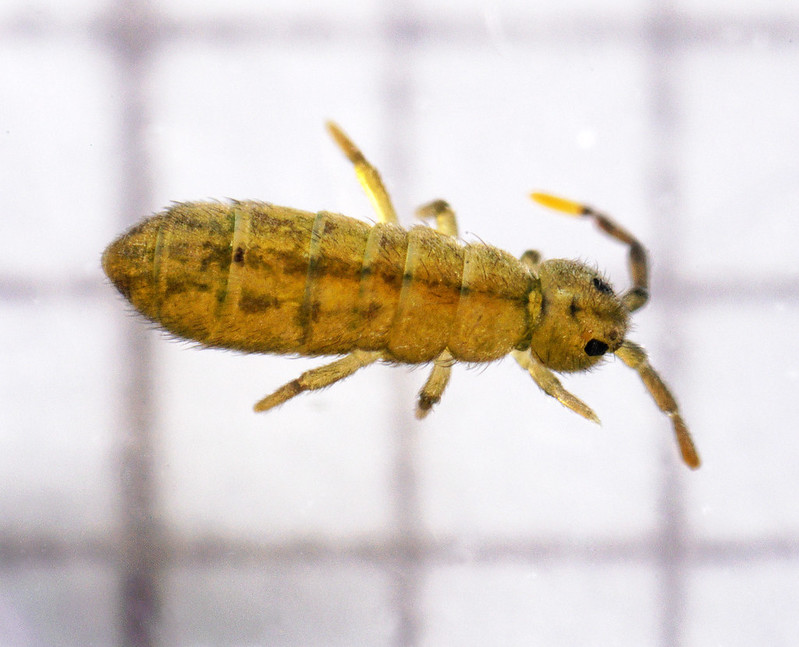
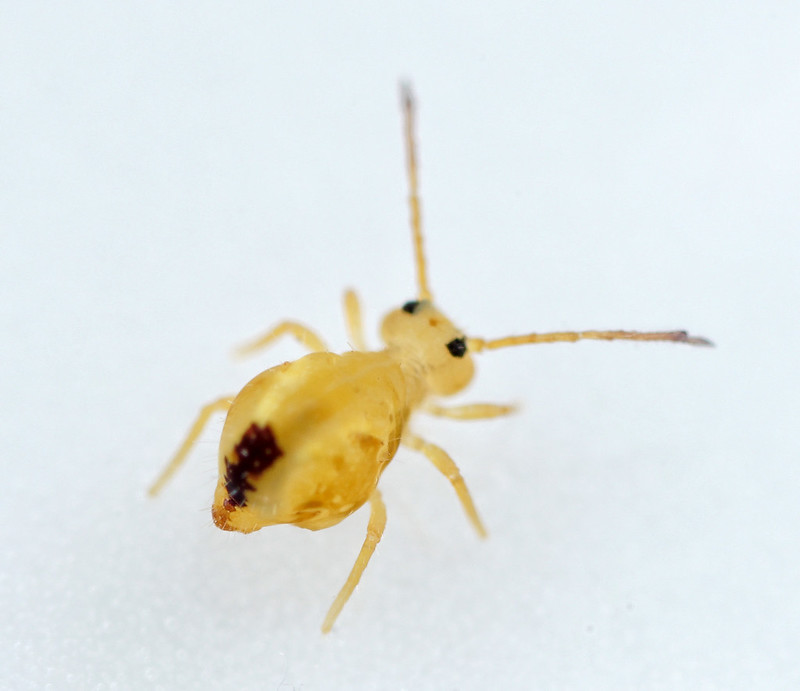
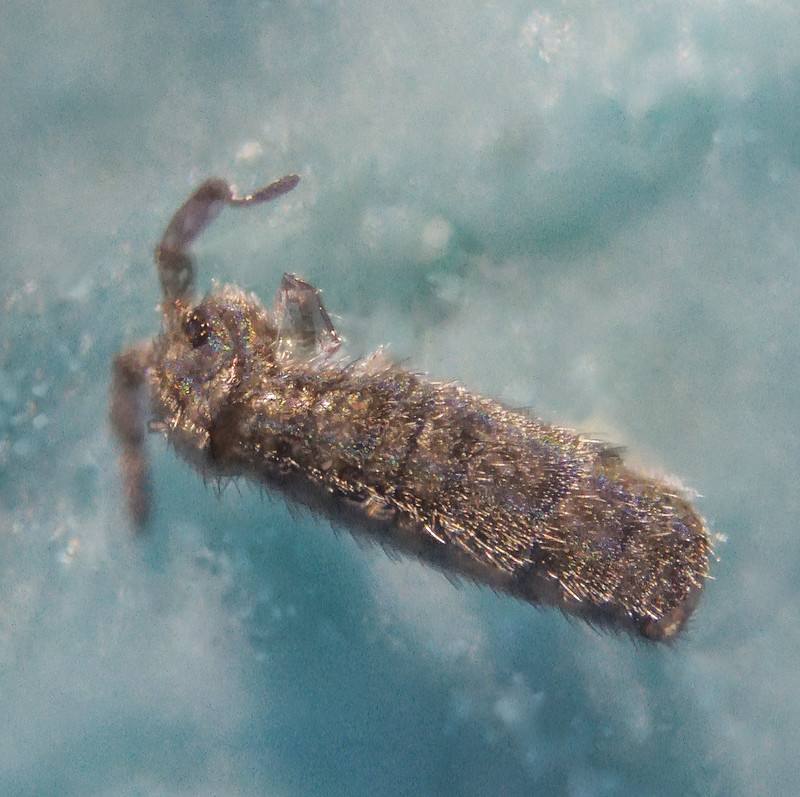
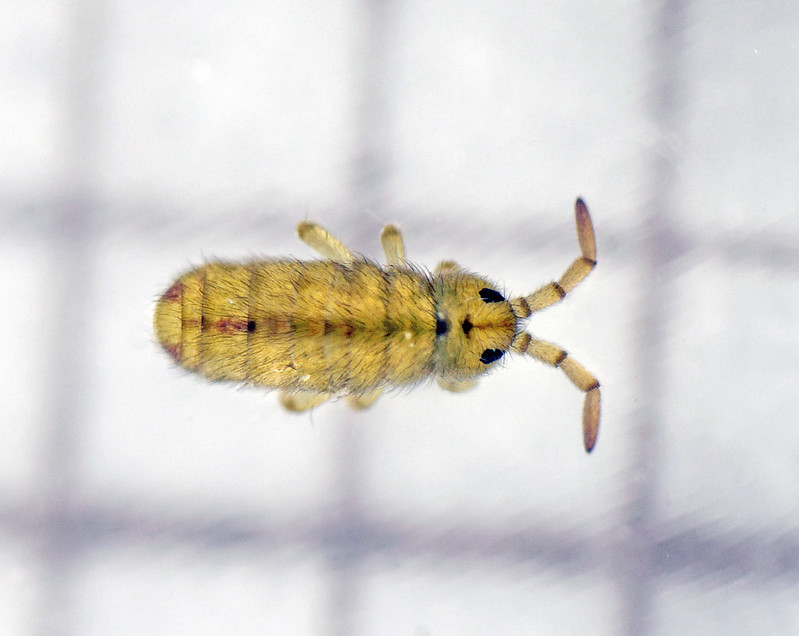
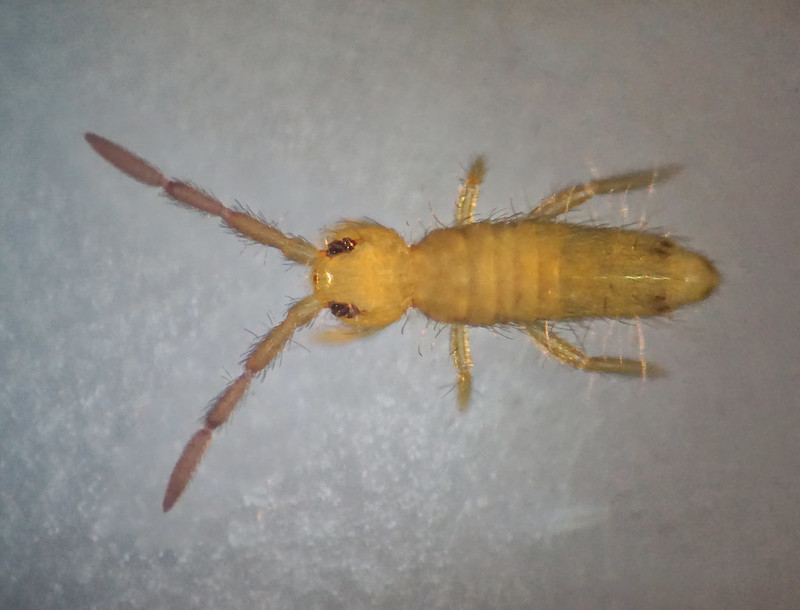
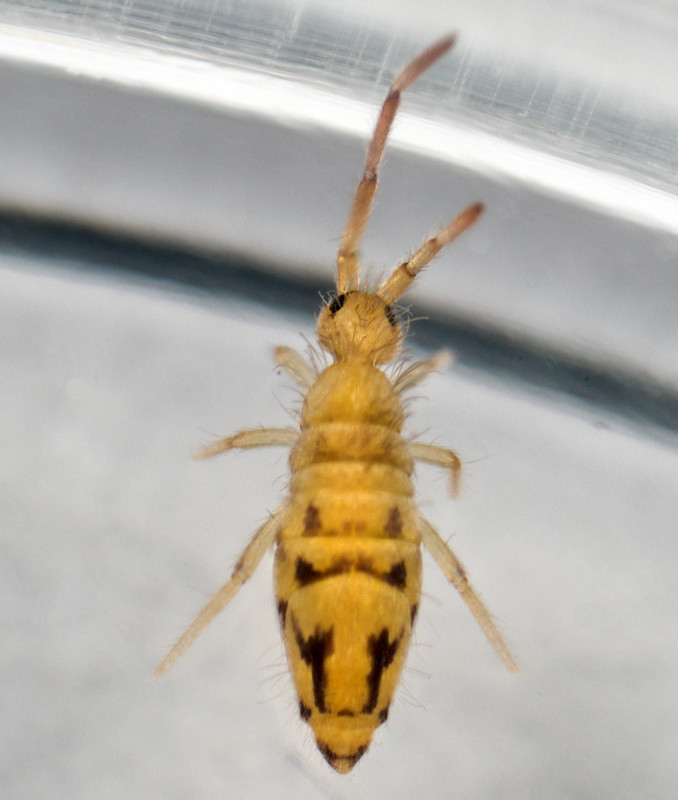
Jordanathrix nr superba

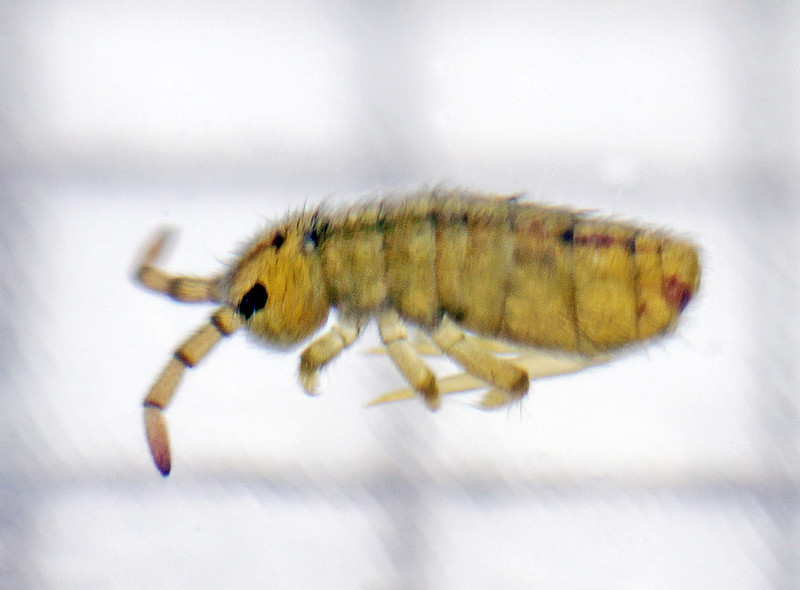
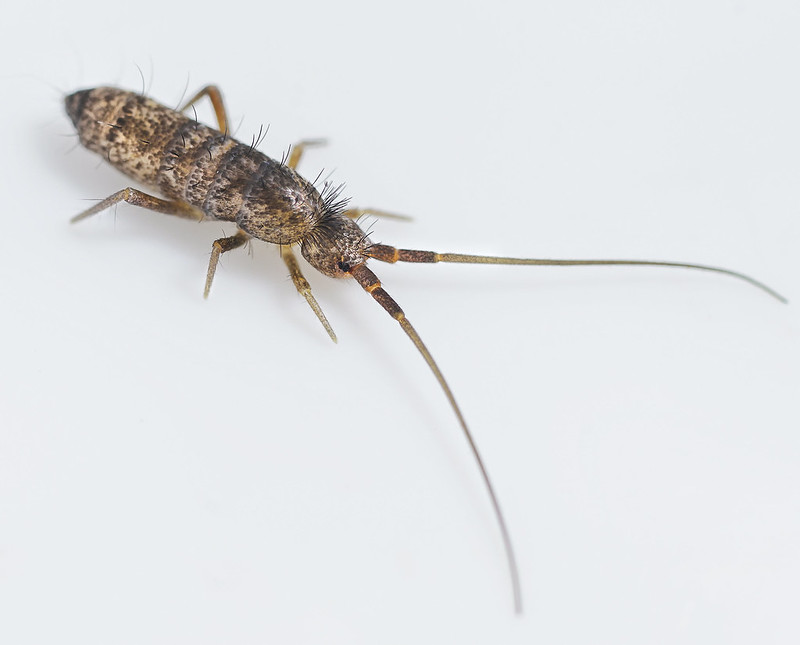
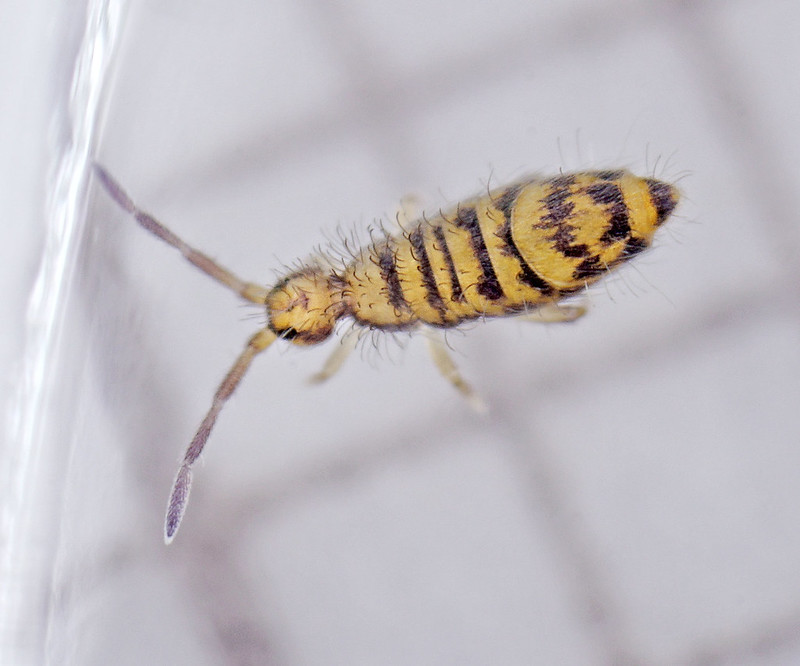
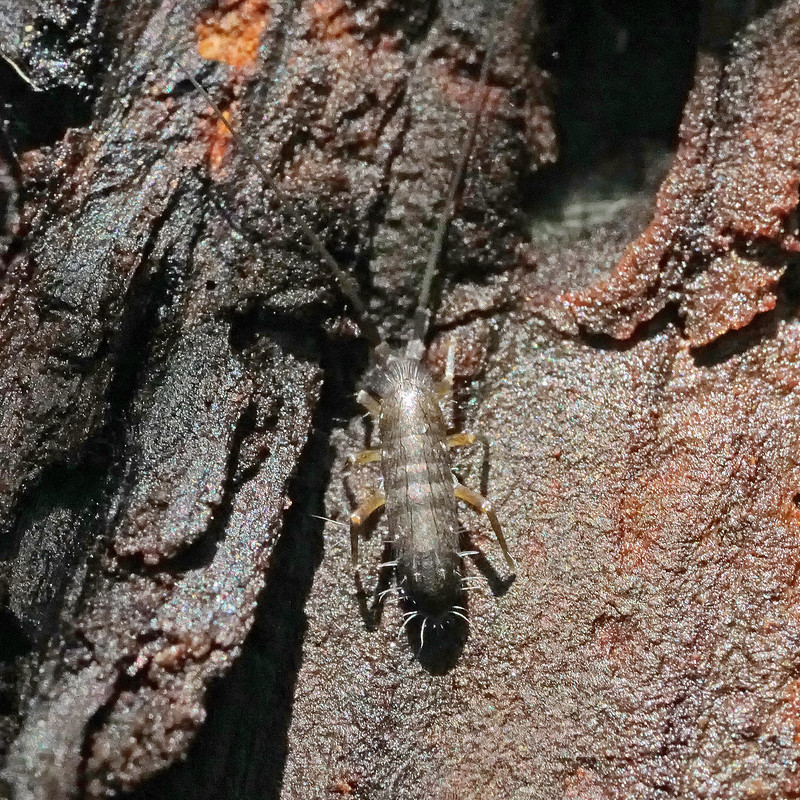
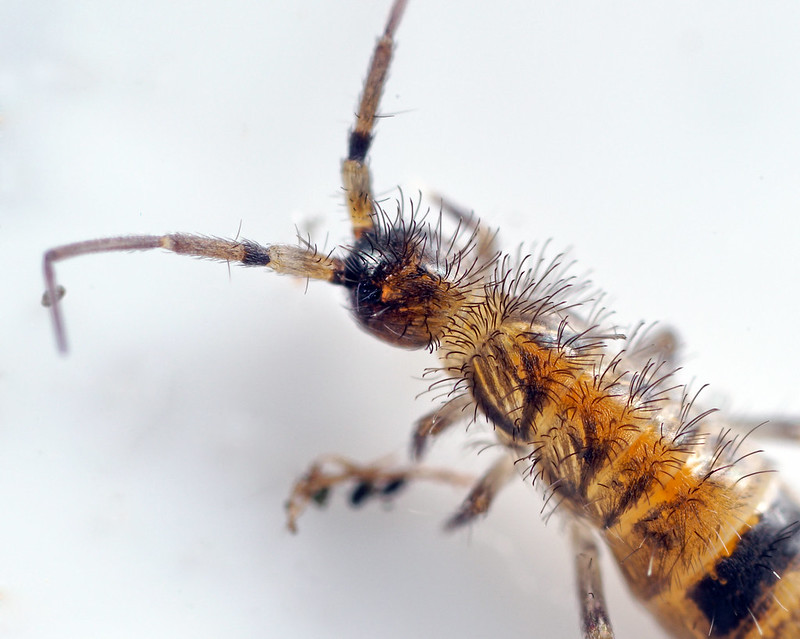
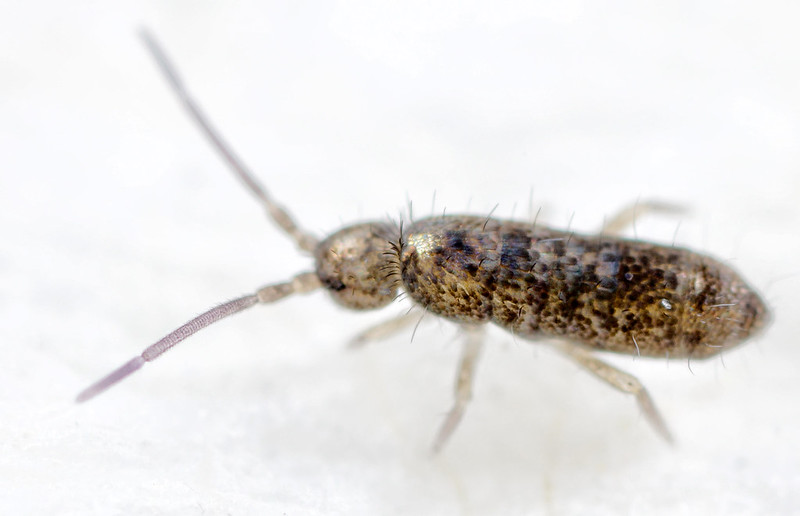
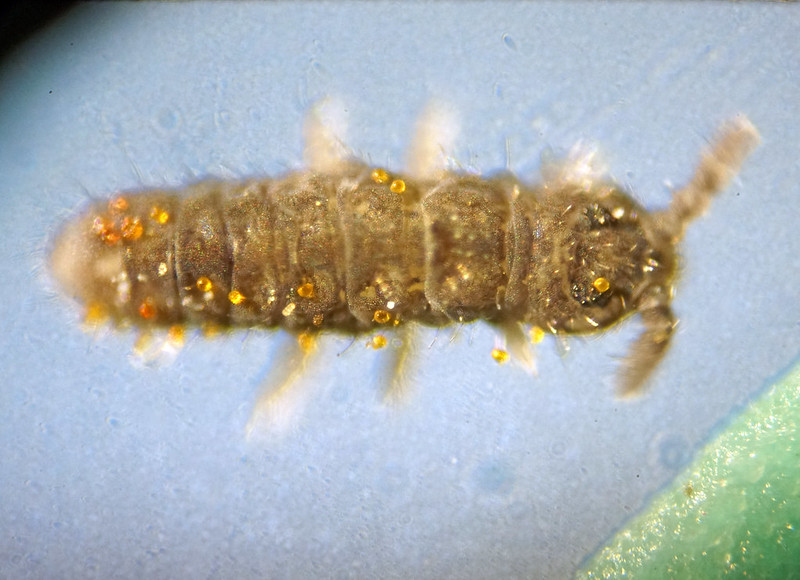
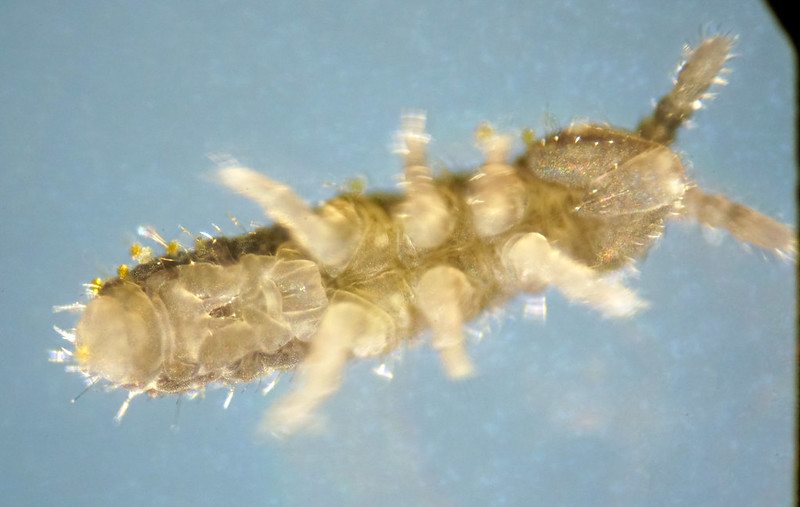
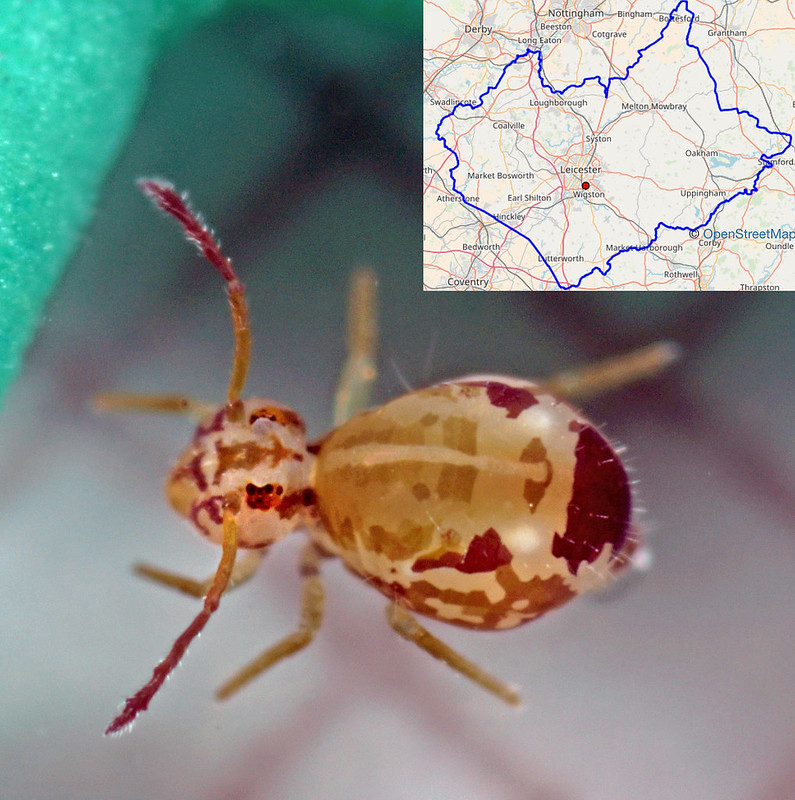
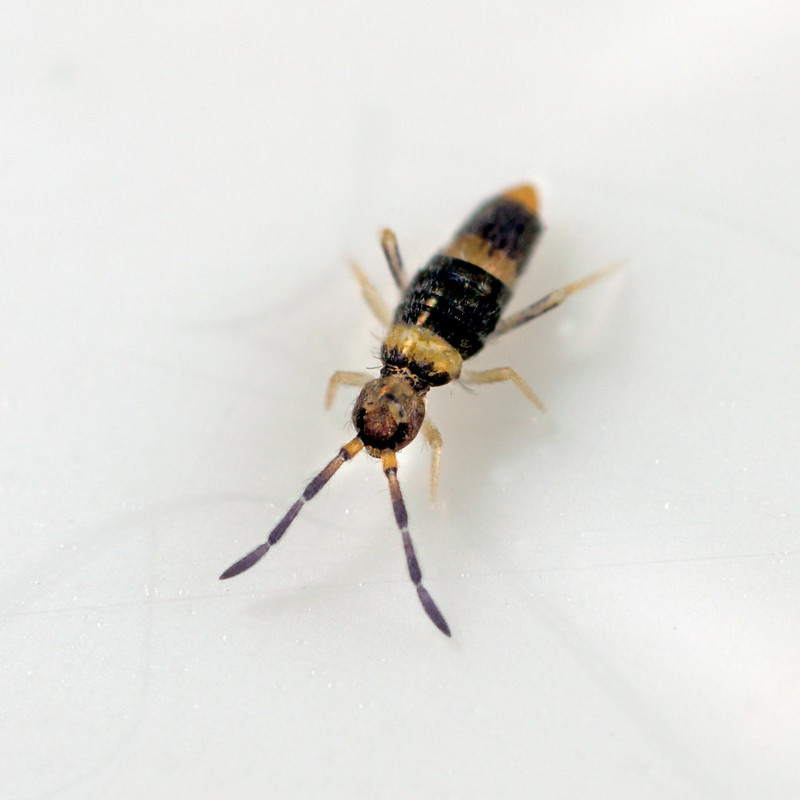
You know it's autumn when ... Jordanathrix nr. superba reappears. I've only ever seen this species in winter, although how much of that is down to the time of year I tend to look for them is unclear, but they certainly haven't been around much over the summer (although I did find one in June). This year it would be nice to record this species somewhere else in VC55 other than my back garden! I would expect Dicyrtomina saundersi to be reappearing soon now and over the last week I've seen a couple of reports of Katianna sp nov emerging. This specimen was beaten from Ivy two metres off the ground. I've only ever seen these actually on the ground in fairly damp conditions previously so this was generally a rather interesting observation. This one is also a little weird as it has a distinct colour change on the antennae - not as sharp as in D. saundersi perhaps but not typically unicoloured as in D. ornata. Seemingly an aberrant ("infrasubspecific") individual.

Wednesday, 12 September 2018

07.09.18 - Return to Owston

I made a return visit to Owston to follow up the observations from June later in the season.

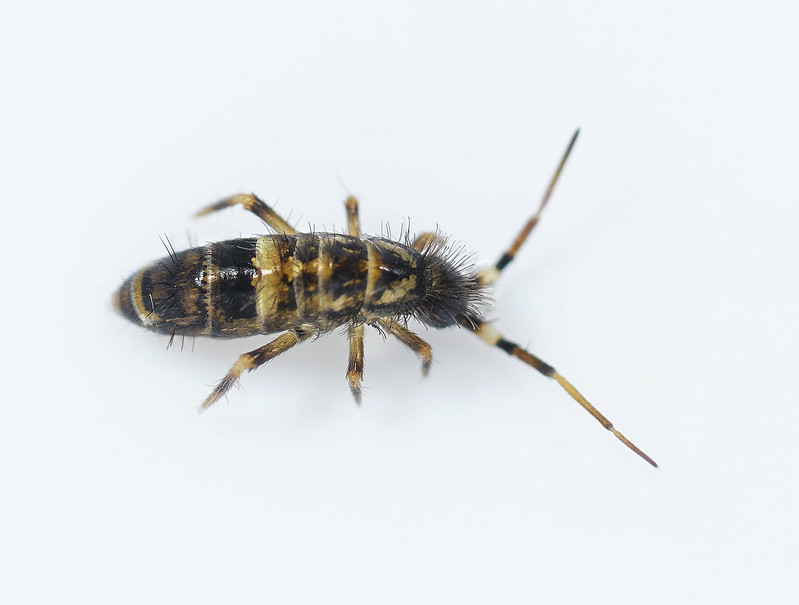
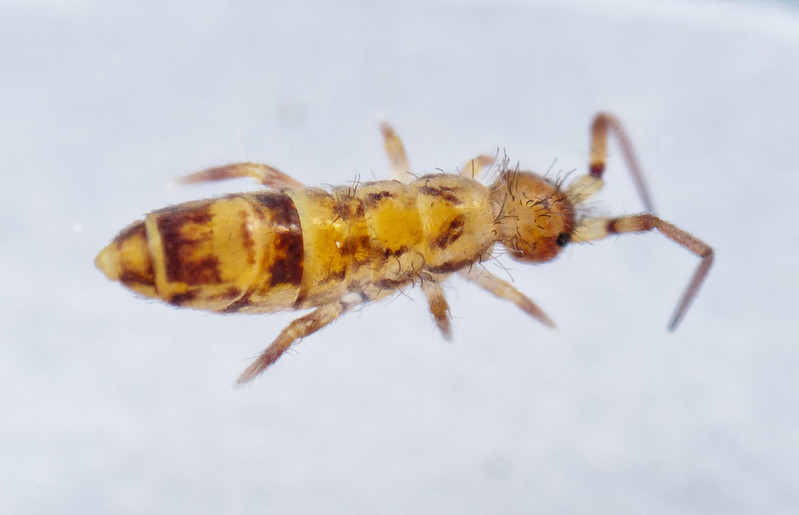
I started by sifting through some Beech litter and found quite a few species. Orchesella cincta was the most abundant, followed by Entomobrya nivalis and Tomocerus minor and a single Entomobrya albocincta, which I don't seem to see as frequently as other Entomobrya species:

Entomobrya albocincta


I also collected from Horsetails and found two Dicyrtomina ornata and a single Entomobrya nivalis.

More dots on the map.

Saturday, 8 September 2018

01.09.18 - Kelham Bridge - joining the dots (or not)

We went up to Kelham Bridge hoping for dragonflies but didn't see a single one, only lots of Common Blue Damselflies, which was somewhat underwhelming. While I was there I was also going to sample springtails (obviously). However, the results of this were also somewhat underwhelming. I put a fair amount of effort into sweeping vegetation and didn't find a single specimen. I found a nice puddle in a ditch and swept around the edges of that, also scooping from the water surface. Not. A. Sausage. The only place I found any springtails were on a big clump of Juncus in a ditch. (Juncus seems to be a good source at the moment). This yielded lots of Entomobrya nicoleti of varying stages of maturity, but also several Dicyrtomina minuta.

Tuesday, 4 September 2018

31.08.18 - Charley Field

We're trying to monitor the natural regeneration of the field between Burrow Wood and Cat Hill Wood so I try to get up there several times a year to record. I also had it in mind that there was a small pond in the corner of the field and this might be a fruitful site.

I started off with a browse through Cat Hill Wood. No fungi at all, still far too dry, but browsing the leaf litter and clumps of terrestrial moss revealed large numbers of Orchesella cincta and quite a few Entomobrya nivalis. I got excited at one point thinking that I may finally have found a Willowsia, but on closer examination it turned out to be E. nivalis.

When the novelty wore off I went over to the pond and found it almost completely dried up. Sweeping pondside vegetation (lots of Juncus) was productive, giving quite a few Pogonognathellus longicornis and several Dicyrtomina ornata. The highlight though were good numbers of Desoria tigrina, the first time I have been able to confirm this species in VC55:

Desoria tigrina

I'm finding lots of Desoria of various species on waterside vegetation and particularly on emergent Juncus at present - useful until springtail numbers finally recover after the drought.


Saturday, 1 September 2018

14.08.18 - The Boy Who Kicked The Hornets Nest

This one turned into an eventful outing. Although we had had some showers, the ground was still dry so we went down to Croft Pasture to go hunting along the banks of the River Soar which runs through the water meadow. After a spot of cow dodging we started in one corner of the site, sweeping emergent vegetation (mostly sedges) right down to water level. This was very productive, yielding quite a lot of Entomobrya nivalis and one Dicyrtomina minuta:

Dicyrtomina minuta

I also found a few of these, which I'm pretty sure is Desoria violacea - violet iridescence and the long setae on abd5 are about two thirds as long as abd5:

Desoria violacea

I also found this specimen, which I'm not sure about. Has to be a juvenile Desoria tigrina? No other Desoria spp. it could be - not trispinata or violacea?:

Isotoma riparia? Desoria tigrina?

Isotoma?


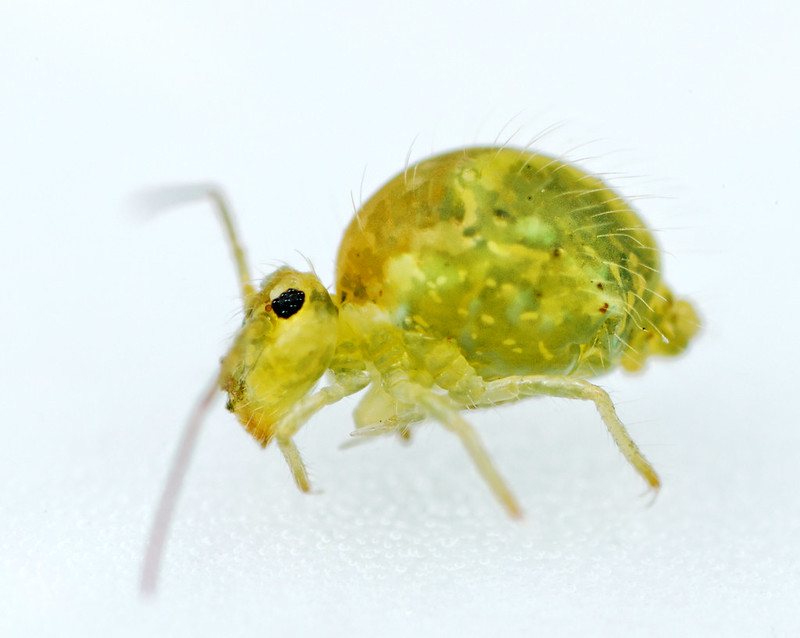
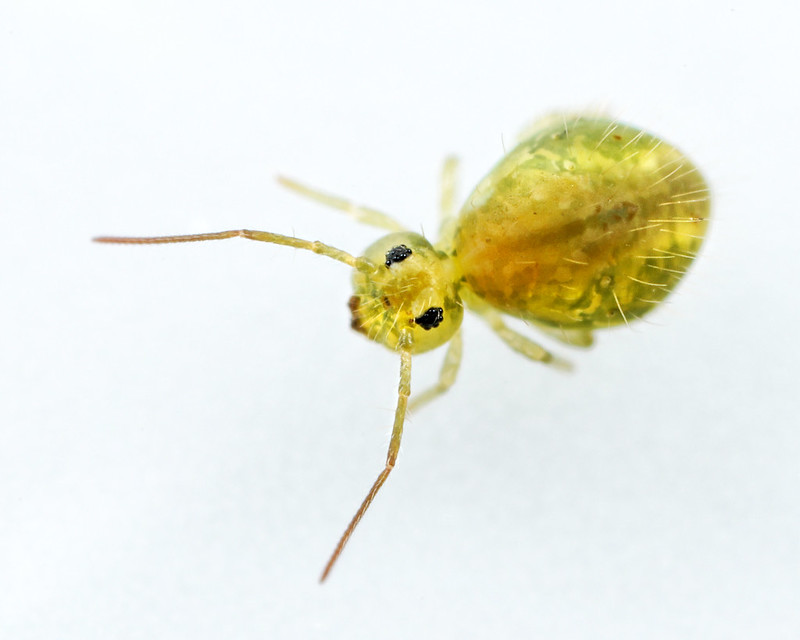
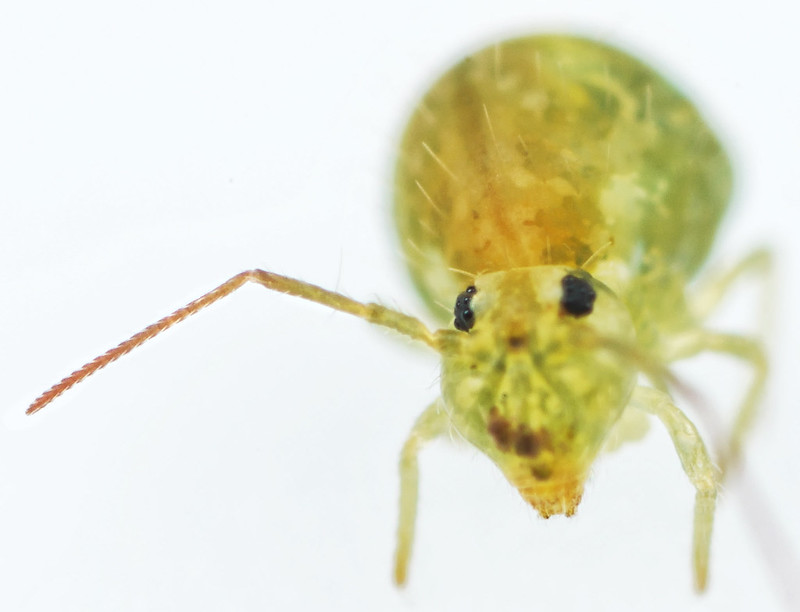
We then worked our way along the river to the other side of the site. Sweeping Water Forget-me-not (Myosotis scorpioides) by the side of the channel I found a single Sminthurus viridis. Although I have looked for this species previously whenever I have been around clover I had never found it so it was a bit of a surprise to find it here. I looked for more but could only find a single specimen. This is a large greenish or yellowish springtail reaching 3 mm in length with the fourth antennal segment (ant4) is divided into 18 subsegments:

Sminthurus viridis

Sminthurus viridis

Sminthurus viridis


Since we still had some time we then walked up the road to Croft Glebe. Sweeping vegetation did not produce any springtails but there were quite a lot of Tomocerus minor in a decaying fallen tree trunk. After a short while, I realised the the hole in the end of the trunk I was poking around in was also home to a Hornet's nest, at which point I decided that this had been a good trip and in order to keep it that way, we beat a retreat.

Thursday, 23 August 2018

18.08.18 - Gaulby - Absolute Whoppers

Bit of a cock up on the navigation front resulted in a collecting trip in an unintended location - arable field margins - but still one with no previous springtail records.

Sweeping vegetation near the base (where there was most moisture) yielded abundant Entomobrya nicoleti and a few Orchesella cincta. As with the previous day, juvenile populations containing mostly immature stages:

Entomobrya nicoleti juvenile:
Entomobrya nicoleti

Orchesella cincta:
Orchesella cincta


Poking around under the bark of a fallen Ash tree was also productive, giving many adult Pogonognathellus longicornis - absolute whoppers, some of the biggest I have ever seen (drought survivors):
Pogonognathellus longicornis

I also found a single Entomobrya multifasciata, not a species I see very often:
Entomobrya multifasciata


Overall, quite a productive outing and once again, no globular species recorded post-drought.


Tuesday, 21 August 2018

17.08.18 - Priors Coppice

Finally back in the field after the drought broke. In spite of some rainfall, the ground was still very dry and I was unable to find any specimens under logs. Sweeping vegetation near the base (still damp from the morning dew) was very productive however. There were lots of Entomobryomorpha present. The majority of these turned put to be Entomobrya nivalis, with a few adults and many juveniles present:

Entomobrya nivalis

Likewise, a number of Orchesella cincta found were also juveniles (less than 6 antennal segments):

Orchesella cincta Juvenile

Pogonognathellus longicornis was also quite frequent but all the specimens found were adults, and large adults at that, which had clearly survived the drought. No globular species were found, they seem to be taking longer to recover and/or moisture levels are still not high enough for them to appear.

Saturday, 18 August 2018

Springtails - Drought Recovery

Pogonognathellus longicornis

I've been out sampling for springtails three times since the drought broke and I have the following observations which seem to be consistent across several sites:

1. Populations are recovering within a few weeks but this hides more complex trends. And yet, the ground is still extremely dry, so I suspect that much of the recovery is due to decreased temperatures (Leicestershire had several weeks of air temperatures close to 30C) rather than increased moisture levels. Discuss.

2. Lots of Entomobryidae around on vegetation at present. For the most part, these are quite young populations with many juvelines present (not surprising).

3. Big Winner: Pogonognathellus longicornis - a large number of adults about, clearly they survived the drought. Not only that, but also the biggest specimens of this species I have ever seen.

4. Big Loosers: Symphypleona - I haven't found any globular springtails via any sampling method yet. These seem to be taking much longer to recover.

Thursday, 2 August 2018

Theory Into Practice

Last weekend I was lucky enough to participate in the FSC BioLinks course "Introduction to Springtails" led by Pete Boardman, and this week I've been trying to embed a few of the things I learned by putting them into practice.

Although the drought broke at the weekend it's rapidly warming up again now, so I started by trying out Pete's "pot knocking" technique which yielded quite a few species at the weekend. This turned up several Orchesella cincta:

Orchesella cincta

a couple of Tomocerus minor (confirmed by microscopy):

Tomocerus minor

and a single Isotoma viridis. I also revised my photography technique to try to improve the quality of the images I am getting.

After that I had a go at sweeping the White Clover in the garden. Even though the flowers have gone over I was hoping this would turn up Sminthurus viridis, but no luck I'm afraid. What I did find were several Deuterosminthurus pallipes, mostly form repandus but also my first ever purple nominate form - which annoyingly I lost while trying to get a photo (so you'll have to take my word for it!). The other thing I found were a lot of Poduromorphs which I'm still struggling to identify - one of the Hypogastruridae I think??

Hypogastruridae?

Hypogastruridae?

Roll on the advance FSC BioLinks springtails course in January so I can get my teeth into these!